Opening This Fall

If your doctor has referred you for imaging, you may be wondering: should this be an MRI or a CT scan? Both tests create detailed pictures of the inside of your body, but they use completely different technology, and each one is better suited to certain conditions. Understanding the difference between an MRI vs CT scan can help you feel more confident and prepared before your appointment, and it can also help explain why your doctor chose one over the other.
In this guide, we'll break down how each scan works, what they're best used for, how they compare on cost, safety, and comfort, and how you can tell which one your situation may call for. By the end, you'll have a clear picture (pun intended) of what to expect.
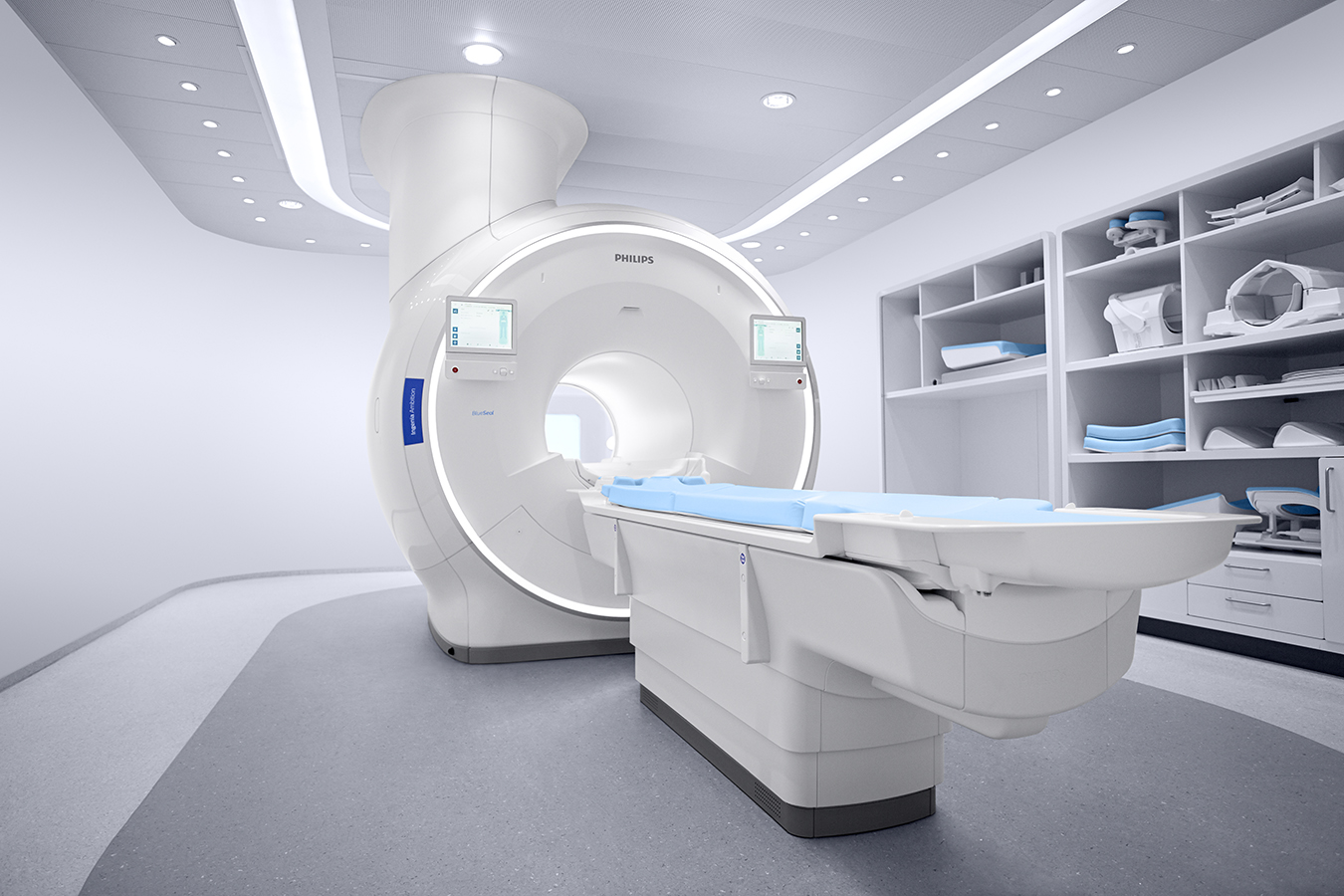
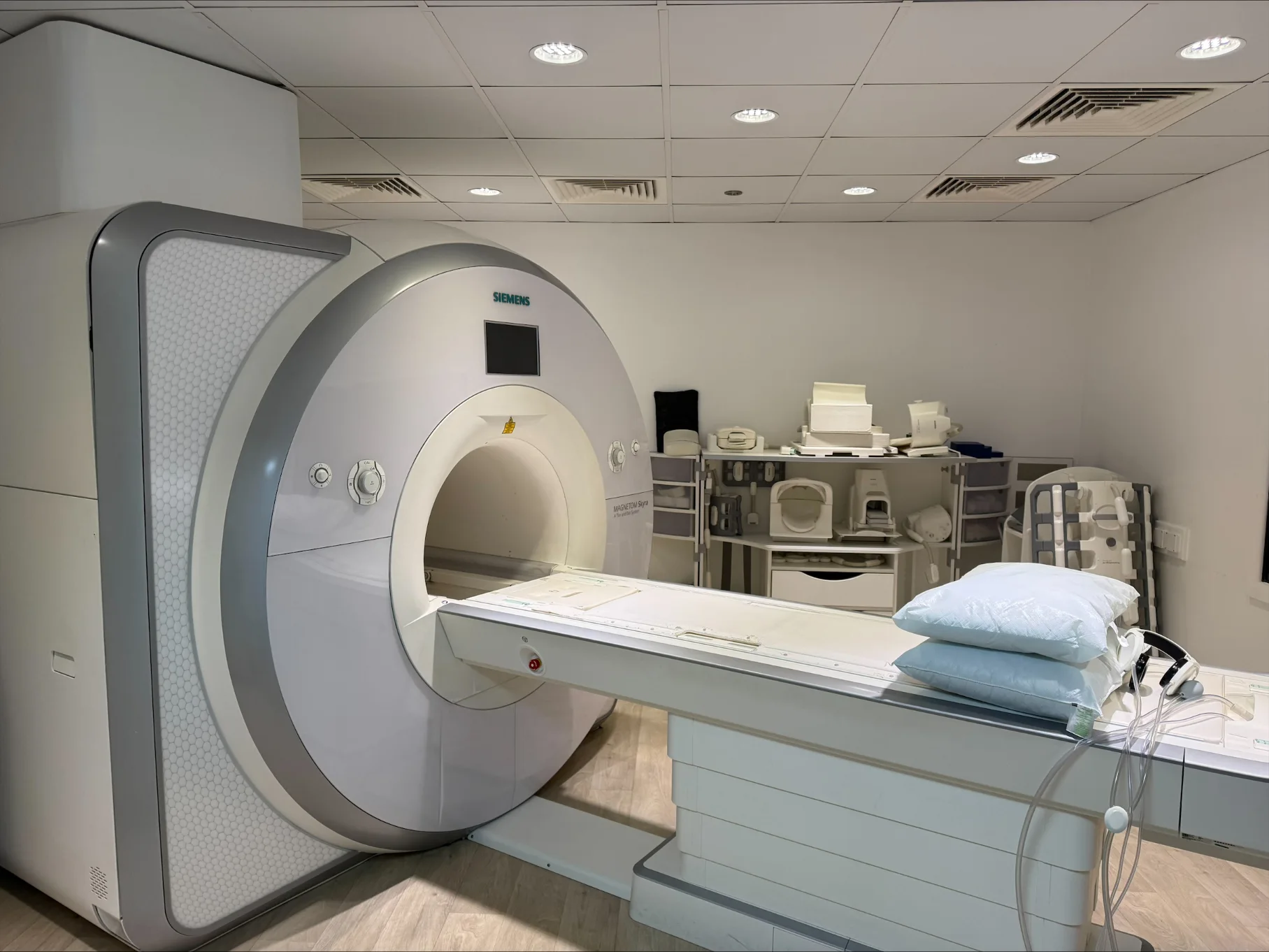
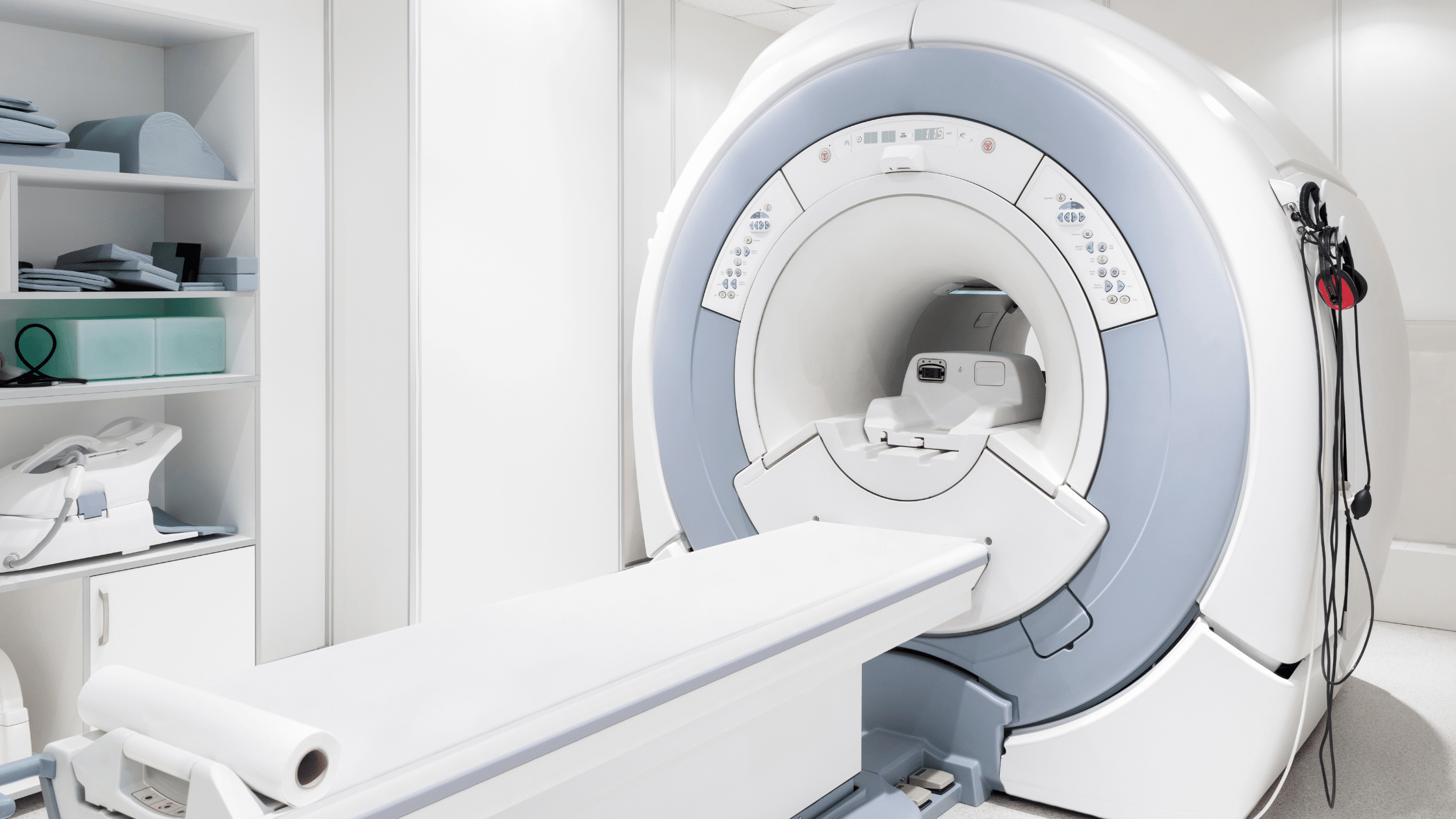
An MRI, or Magnetic Resonance Imaging, uses a powerful magnetic field and radio waves to create highly detailed images of soft tissues, organs, ligaments, and the nervous system. Because it doesn't use radiation, it's often the preferred choice when doctors need a closer look at:
MRI scans typically take between 20 and 60 minutes, and the machine is a long tube-shaped scanner. Some clinics also offer open MRI options for patients who feel claustrophobic.
A CT scan, or Computed Tomography scan, uses X-rays taken from multiple angles to build cross-sectional images of the body. It's especially good at showing:
CT scans are fast, usually taking just 5 to 10 minutes, which makes them the go-to option in emergency rooms when time matters.
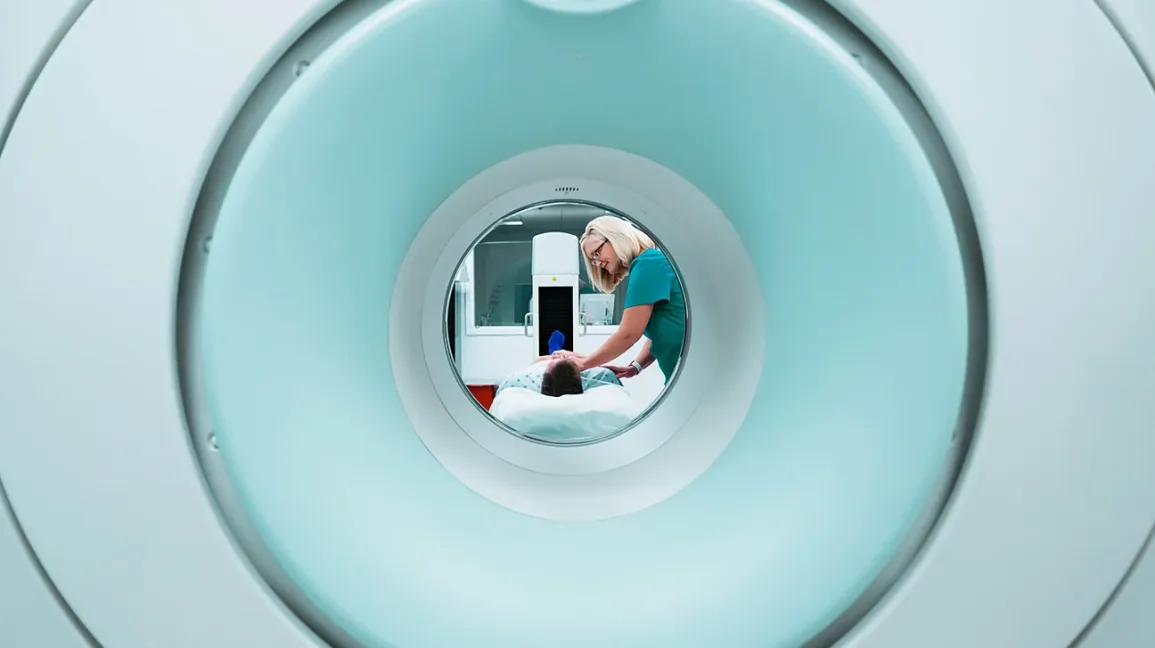
MRI relies on magnets and radio waves, while CT scans rely on X-ray beams. This is the single biggest difference and the reason each scan excels at different things.
One of the most common patient concerns is radiation. A CT scan does involve a small, controlled dose of radiation, similar to natural background exposure over a period of months. An MRI uses no ionizing radiation at all, which is why it's often preferred for children, pregnant patients (in specific cases), and those needing repeated scans over time.
CT scans are much faster, which matters in emergencies such as suspected strokes, internal bleeding, or major trauma. MRIs take longer because they capture more detailed tissue contrast.
CT scans are typically less expensive than MRIs due to shorter scan times and simpler equipment requirements. Your clinic's billing team can walk you through costs specific to your insurance plan.
MRIs are known for loud tapping or knocking sounds during scanning, which is why earplugs or headphones are provided. CT scanners are much quieter and often less intimidating for anxious patients.
Your doctor may recommend an MRI if you have:
A CT scan is often chosen for:
Myth: "MRI is always better than CT scan."
Fact: Neither scan is universally "better." Each is designed for different diagnostic purposes.
Myth: "CT scans are dangerous because of radiation."
Fact: The radiation dose from a single CT scan is low and considered safe for diagnostic use by major health organizations.
Myth: "MRI can diagnose everything CT can, just better."
Fact: MRI is poor at imaging bone detail and lung tissue compared to CT.
Before either scan, tell your care team about:
The good news: you don't have to decide this yourself. Your referring physician selects the scan based on your symptoms, medical history, and the body part being examined. If you're ever unsure, our radiology team is happy to review your referral and answer questions before your visit.
Ready to schedule your scan? Book Your MRI or CT Appointment today, or Contact Our Imaging Centre if you have questions about which test is right for you.