Opening This Fall
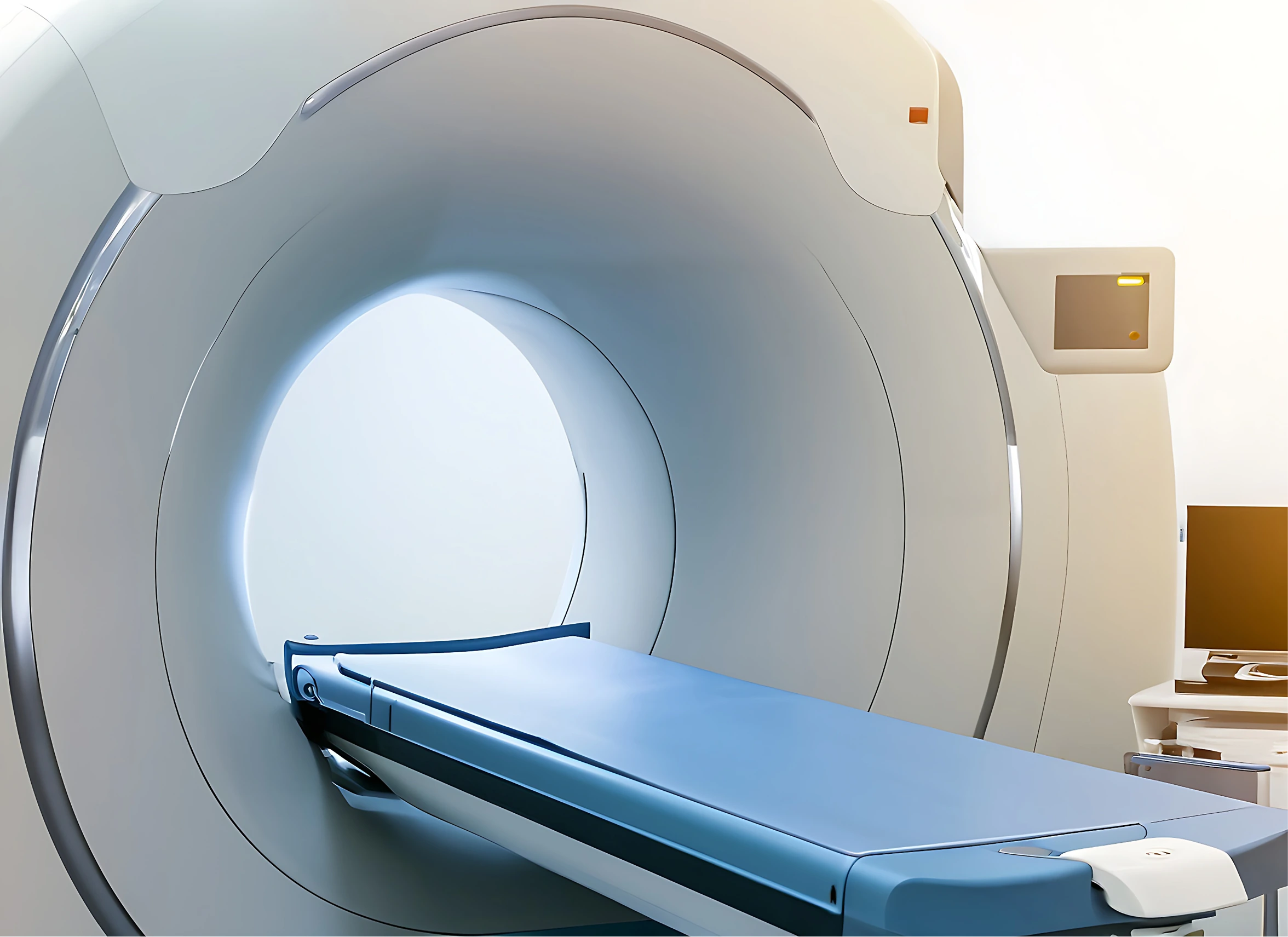
Not every MRI requires additional preparation beyond arriving at the facility. However, for certain diagnostic needs, your physician may order an MRI with contrast. It is a scan that uses a special injectable agent to improve the visibility of specific tissues, blood vessels, and abnormalities within the body.
The contrast agent used in MRI is called gadolinium. It is administered through a small intravenous line, typically placed in the arm, before or during your scan. Once inside the body, gadolinium alters the magnetic properties of nearby tissues, making certain structures appear significantly brighter on the resulting images. This added clarity allows radiologists to detect abnormalities that may not be visible on a standard non-contrast scan.
At Aggieland Imaging in College Station, contrast MRI is performed on our Siemens Espree 1.5T wide-bore scanner by trained imaging technologists, and every scan is reviewed by a qualified radiologist.
Your physician determines whether contrast is necessary based on your specific symptoms, medical history, and the diagnostic question they are trying to answer. Contrast is not routinely used for every MRI scan. It is ordered when the additional detail it provides is clinically significant.
Common situations where an MRI with contrast near me may be ordered include:
If your physician has not specified whether your scan requires contrast, our scheduling team will confirm this detail with your referring physician before your appointment.
Gadolinium works by shortening the relaxation time of water molecules in the tissues it reaches. In practical terms, this means that tissues with a disrupted blood-brain barrier, active inflammation, or abnormal blood supply will absorb the contrast agent differently than healthy surrounding tissue.
The result is a clearer, higher-contrast image that gives the radiologist additional information about the nature and activity of a lesion. For example, a tumor that enhances with contrast, meaning it appears brighter after injection, typically has an active blood supply, which carries important implications for diagnosis and treatment planning.
This level of diagnostic detail is one reason why open MRI with contrast in Texas is a frequently searched option for patients who need thorough imaging in a more comfortable scanner environment. Aggieland Imaging's 1.5T Siemens wide bore Espree provides that combination of comfort and diagnostic quality in a single outpatient appointment.
Gadolinium-based contrast agents have been used in clinical MRI for decades and are considered safe for the majority of patients. The FDA has concluded that the benefits of medically necessary contrast MRI outweigh theoretical risks for patients with normal kidney function.
However, there are important considerations for certain patient groups. Patients with significantly reduced kidney function face a higher risk of a rare condition called nephrogenic systemic fibrosis when exposed to gadolinium. Our team screens all patients for kidney function before administering contrast. Patients with a known allergy to gadolinium or previous contrast reactions should inform our team when scheduling. Premedication options are available in consultation with your physician. Pregnant patients, particularly in the first trimester, should discuss the necessity of contrast with their physician before proceeding, as gadolinium is generally avoided during pregnancy except in specific clinical circumstances.