Opening This Fall

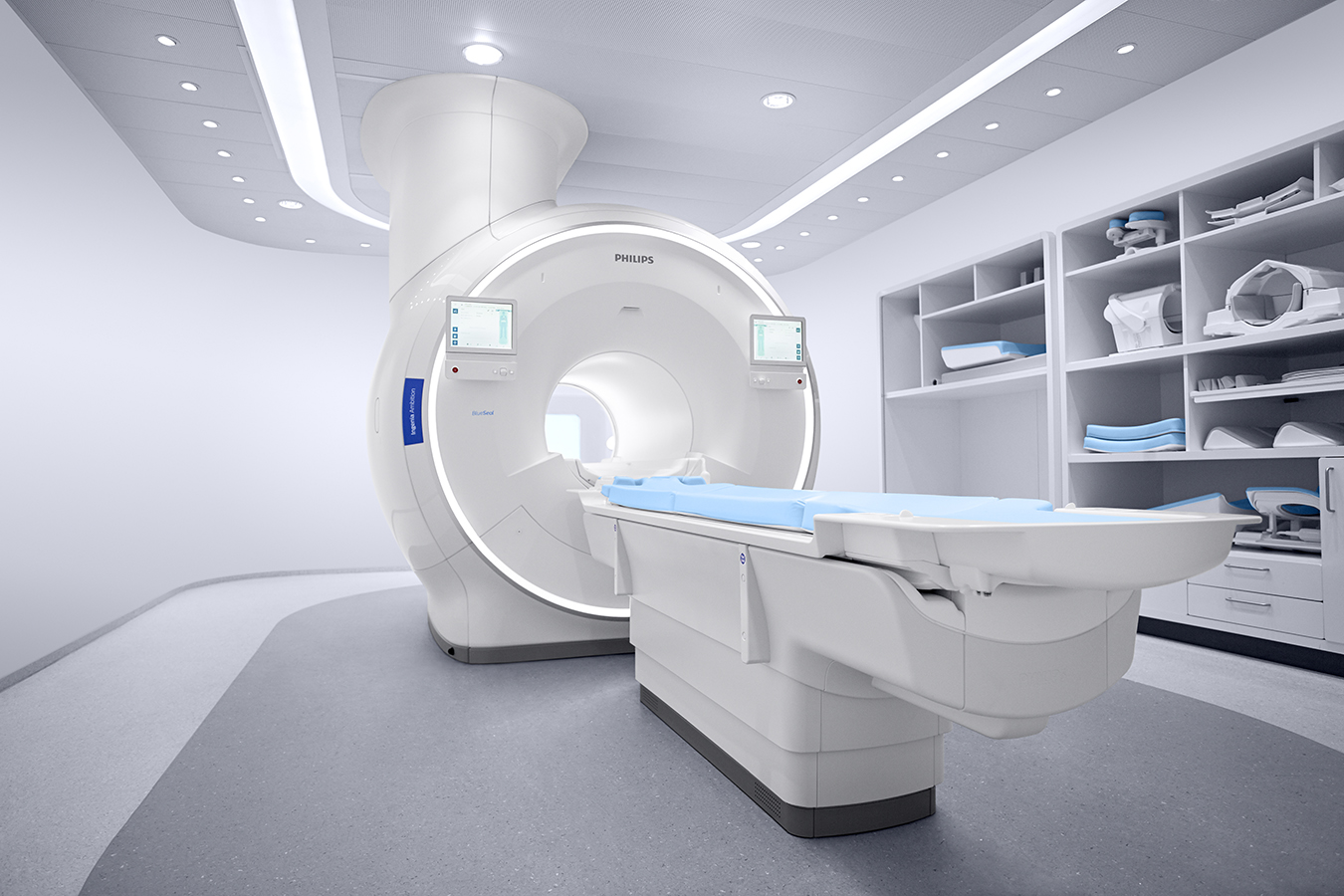
Getting ready for your first MRI can feel a little intimidating, especially if you've never seen the inside of a scanning room before. The good news is that MRI preparation is usually simple, and knowing what to expect can make the entire experience much less stressful. This guide walks you through exactly how to prepare for an MRI step-by-step, from what to wear to how to stay calm inside the scanner, so you can walk into your appointment feeling confident rather than nervous.
An MRI (Magnetic Resonance Imaging) scan uses magnetic fields and radio waves to capture detailed images of the inside of your body. It's painless and non-invasive, though it does require you to lie still inside a scanner for a period of time. Most scans take between 20 and 60 minutes depending on the body part being examined.
Because MRI machines use strong magnets, metal objects can interfere with imaging or even become a safety hazard. Before your scan:
For most MRI scans, you can eat and drink normally beforehand. However, certain scans — particularly abdominal or pelvic MRIs — may require:
Always confirm specific instructions with your clinic when scheduling, since requirements vary by scan type.
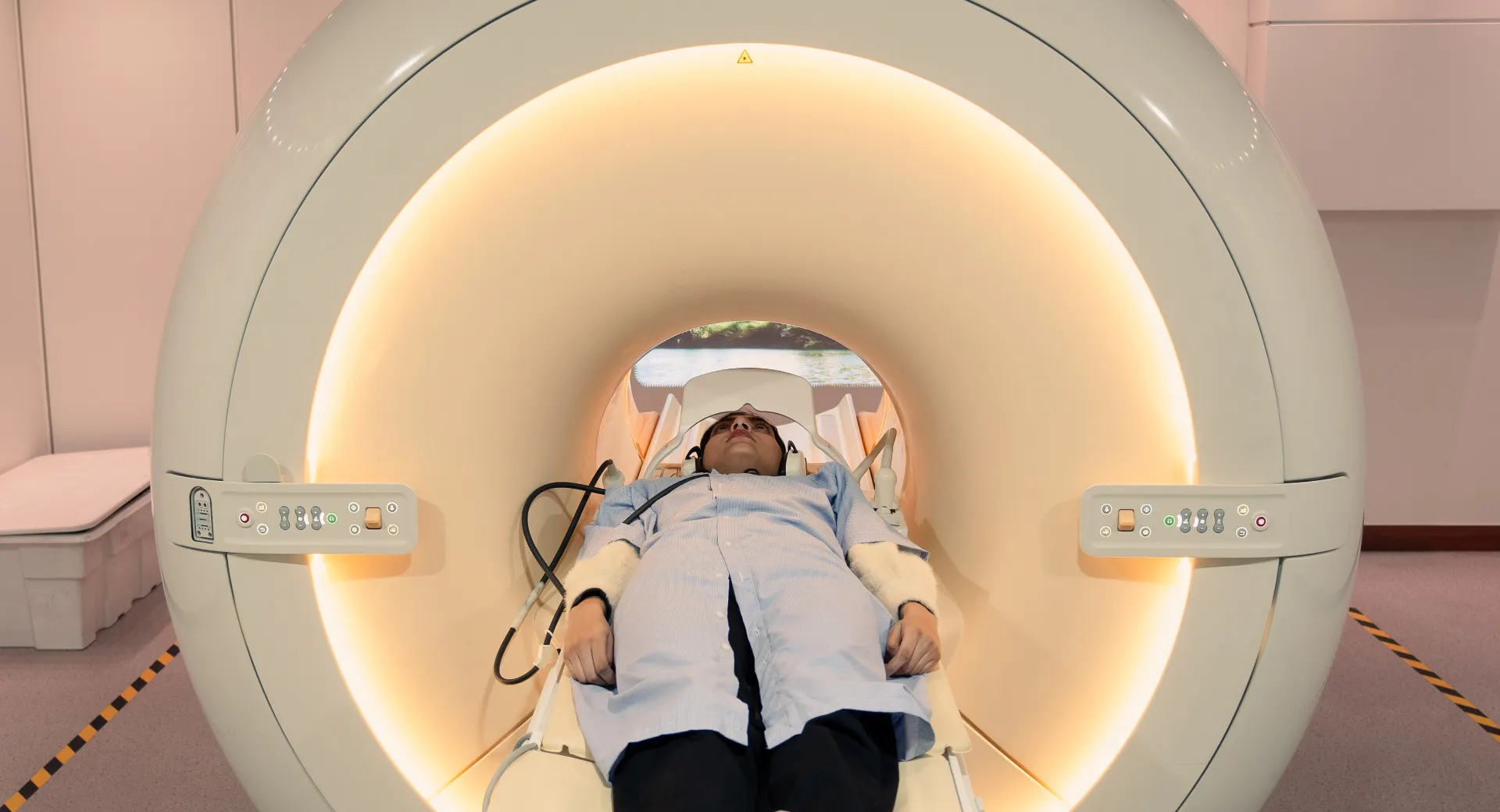
When you check in, staff will confirm your medical history and ask you to complete a safety screening form. This helps identify any metal implants, previous surgeries, or conditions that could affect your scan. You may be asked to change into a gown and remove any remaining metal items.
Most scans are completely painless. Some patients feel a warming sensation if contrast dye is used, which is normal and temporary.
Feeling nervous about an enclosed space is common. Here are a few practical tips:
Once your scan is complete, you can typically resume normal activities right away unless sedation was used. A radiologist will review your images and send a report to your referring physician, usually within a few business days. Your doctor's office will contact you to discuss results and next steps.
Myth: "MRI scans are painful."
Fact: MRI scans are painless; the only physical sensation is lying still and hearing loud noises.
Myth: "You can't move at all during an MRI."
Fact: You can adjust slightly between imaging sequences; the technologist will guide you on when stillness matters most.
Myth: "Everyone needs sedation for an MRI."
Fact: Most patients do not need sedation; it's typically reserved for severe claustrophobia or very young patients.
Reach out to your physician if you experience unusual symptoms after contrast dye, such as rash, dizziness, or swelling, though such reactions are rare. Otherwise, simply wait for your doctor's office to follow up with results.
Ready for your appointment? Book Your MRI online today, or Speak with Our Radiology Team if you have questions about preparation.